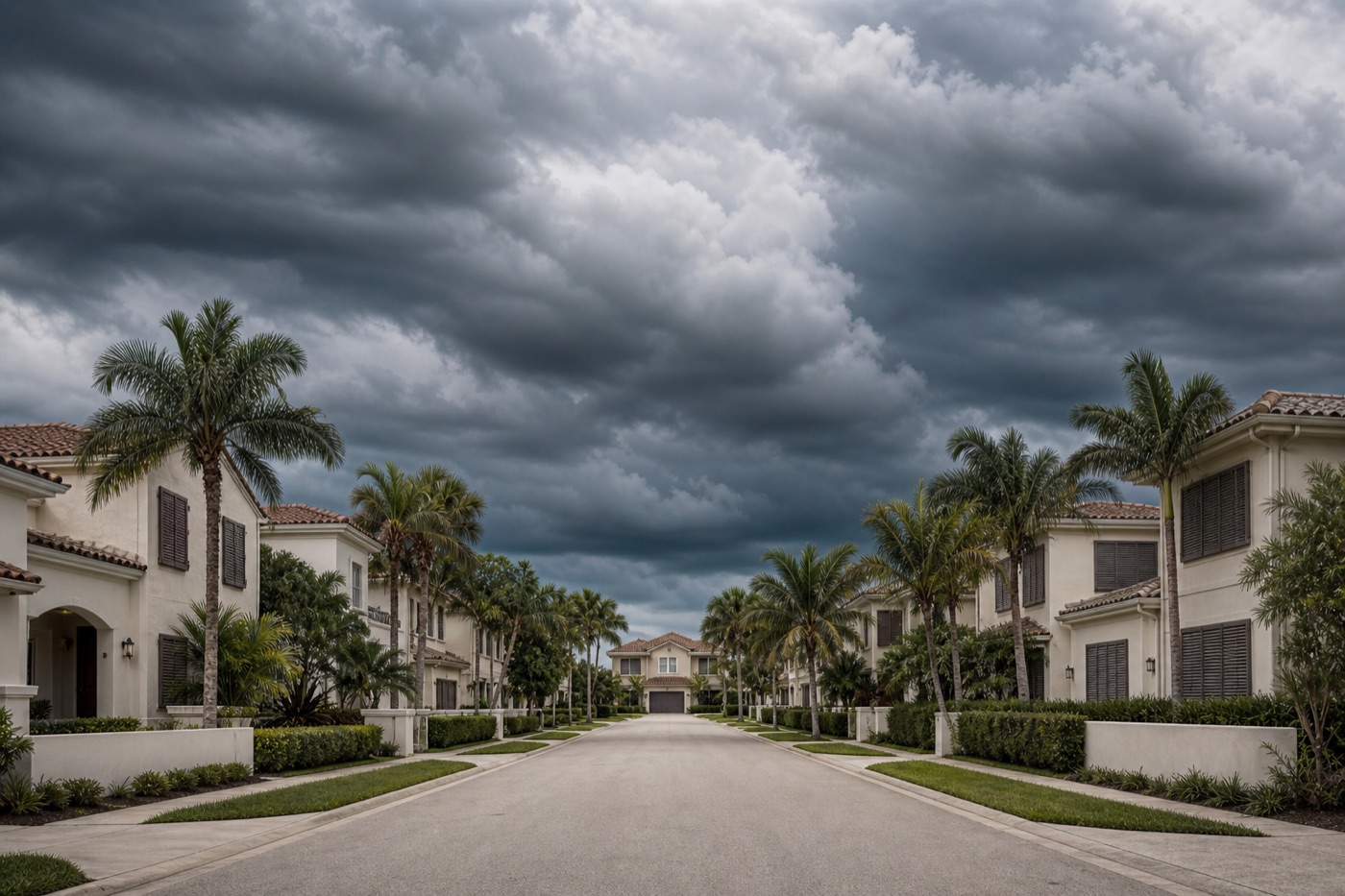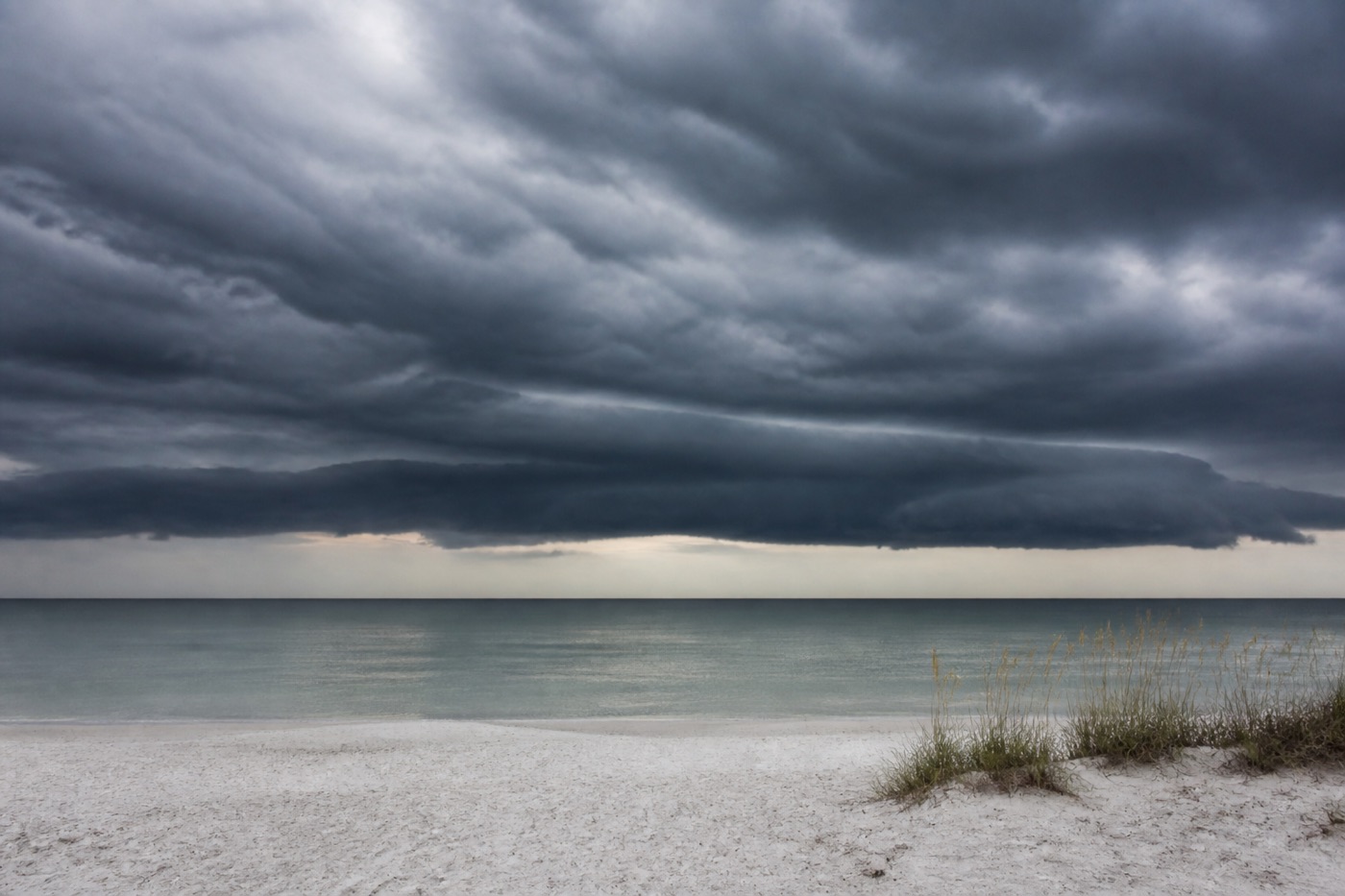

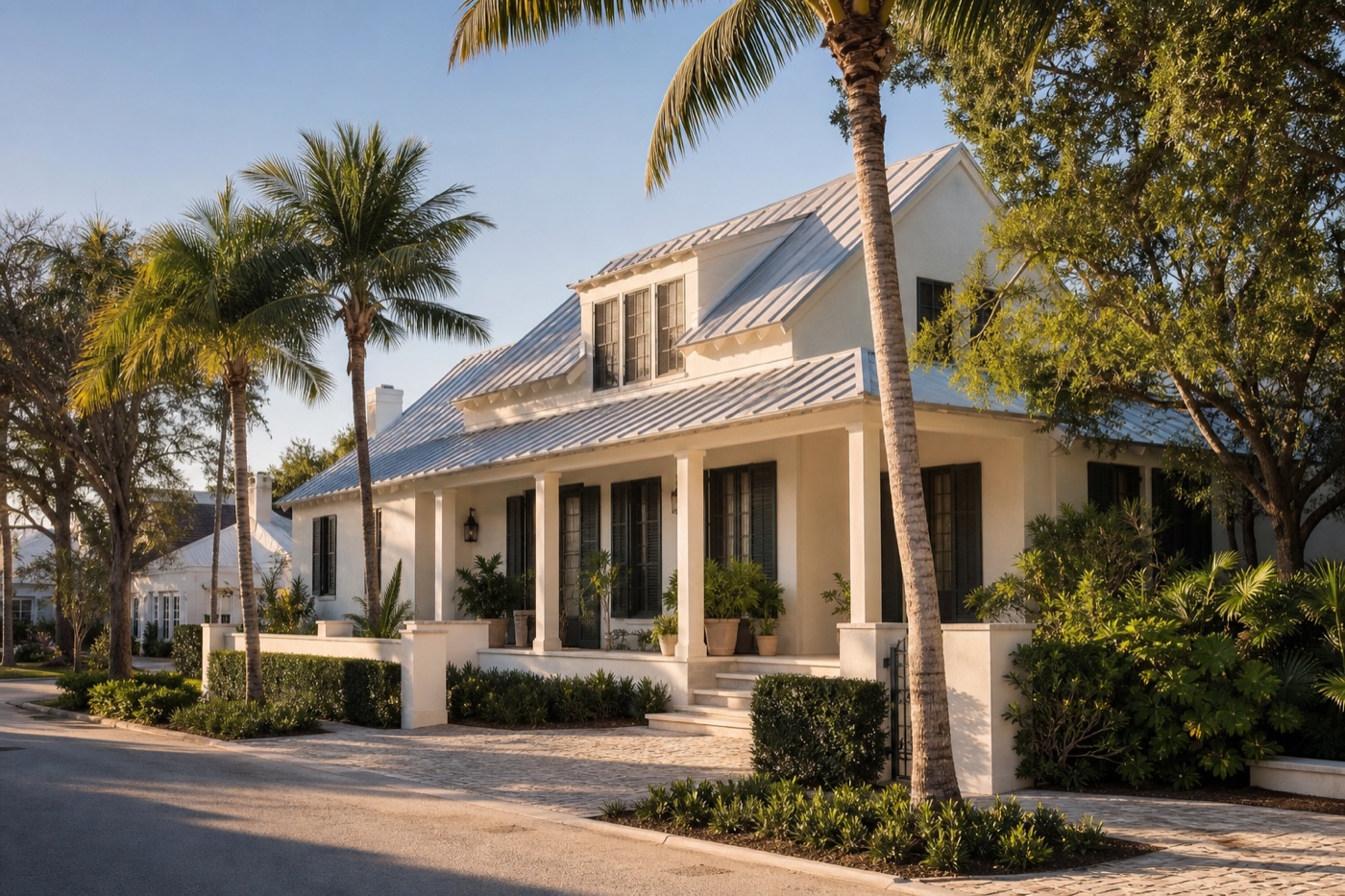
There is a particular kind of quiet a Florida morning has, just before the heat arrives. The light is soft, the air still thick from the night, and the lawn holds a fine layer of moisture the sun will lift within the hour. It is the sort of morning that can convince you your home is at rest.
It is not. A home in St. Lucie County is never at rest.
A Florida home is never really still
From the moment the foundation was poured, the house has been in a slow, continuous negotiation with the climate it sits in. Salt carried in from the Atlantic. Humidity that rarely drops below sixty percent. Ultraviolet light of an intensity most of the country does not experience. Sandy soil that moves, drains strangely, and holds water it should not. A hurricane season that lasts nearly half the year.
None of these forces announce themselves. They work in small, patient ways, and most homeowners do not notice them until something has already been lost.
This is a field guide to what your home is actually fighting, the systems each force attacks first, and the rhythm of care a house on the Treasure Coast genuinely needs. None of it is urgent in the way a leaking pipe is urgent. All of it is urgent in the way compound interest is urgent.
Salt air begins before you see it
The Atlantic is roughly eight miles from most of Port St. Lucie, and closer still to Hutchinson Island and the barrier communities. Salt travels. It arrives on the wind as a fine aerosol, settles on screens and metal fixtures and roof flashings, and begins oxidizing almost immediately. In the rest of the country, a well-installed roof can go thirty years without attention. Here, the nails holding it down are corroding from the day they are driven.
Salt is also cumulative. A homeowner who pressure-washes the driveway but never rinses the screen enclosure, the pool cage, the AC condenser coil, or the outdoor light fixtures is watching those components age at two or three times their expected rate. The cost rarely appears as a single failure. It appears as a long series of small replacements the homeowner does not connect to one another.
Humidity works behind the walls
Florida's average relative humidity hovers in the seventies year-round, with summer readings often in the nineties. A house is designed to keep weather out, but humidity is not weather in the usual sense. It moves through the walls themselves, pushed by the pressure difference between a cooled interior and a saturated exterior.
Modern Florida homes are sealed, insulated, and cooled. The humidity does not get in as easily, but when it does, it has nowhere to go. It condenses inside wall cavities, behind cabinets, above tray ceilings, and inside HVAC ductwork. By the time a homeowner sees the evidence, it has usually been working for months.
UV weakens what homeowners rarely inspect
The UV index in St. Lucie County sits at eleven or twelve, the highest category on the scale, for roughly five months of the year. UV is the single largest enemy of any external polymer: roofing underlayment, window caulk, pool cage silicone, garage door weatherstripping, vinyl siding, exterior paint, and the rubber gaskets on every window and door.
A product rated for fifteen years in Ohio will often last six or seven here. Few homeowners know this, and almost no builder mentions it at closing.
Hurricane season rewards preparation
Every Florida home has the same order of failure. Roof sealants go first: pipe boots, ridge caps, valley flashings, the caulk around penetrations. The HVAC condenser coil goes next, saturated in salt air, slowly losing efficiency. The stucco shows its stress in hairline cracks above windows. The pool cage loses its screens to UV-brittle spline. The window gaskets compress, take a set, then fail to seal.
None of these failures are dramatic. They are quiet, simultaneous, and patient. Hurricane season is when they meet a stress test the homeowner cannot postpone.
The rhythm a St. Lucie County home needs
Homes in other parts of the country have a maintenance calendar organized around winter. Homes here are organized around hurricane season. The goal is to arrive at June first with every system in a known-good state, and to recover cleanly on the other side. The months in between do the preparatory and restorative work.
This is the rhythm. It is not complicated. It simply requires someone to hold it.
How Parker thinks about ongoing care
Parker Home Care exists because this rhythm, the inspection, the coordination, the calendar, the relationships with the right tradespeople, is too much for most people to carry alongside a job and a family. We carry it for them.
The house, in the meantime, does what it was always meant to do. It rests.
Port St. Lucie, Florida